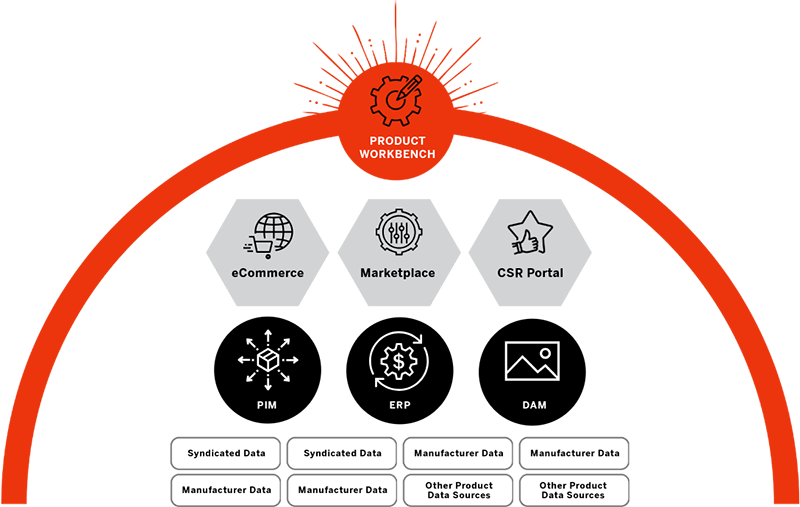
If you’ve ever tried to merchandise B2B products, you know it’s not about picking pretty images or writing catchy descriptions. The hardest part is wrestling with the data itself. Every SKU is pulling from multiple sources: manufacturer specs, your ERP, syndicated feeds, and third-party authoritative references. None of it lines up neatly, missing fields, outdated information, inconsistent terminology all of it threatens the buyer’s trust if published as-is. And scale only makes it worse: merging a few products is tedious; doing it for thousands of SKUs across dozens of feeds is a full-time, relentless job. On top of that, it never ends. Feeds update, new products arrive, specifications change. As a merchandiser, your work is less about decorating a catalog and more about assembling, validating, and normalizing chaos into a single, reliable view the buyer can act on.